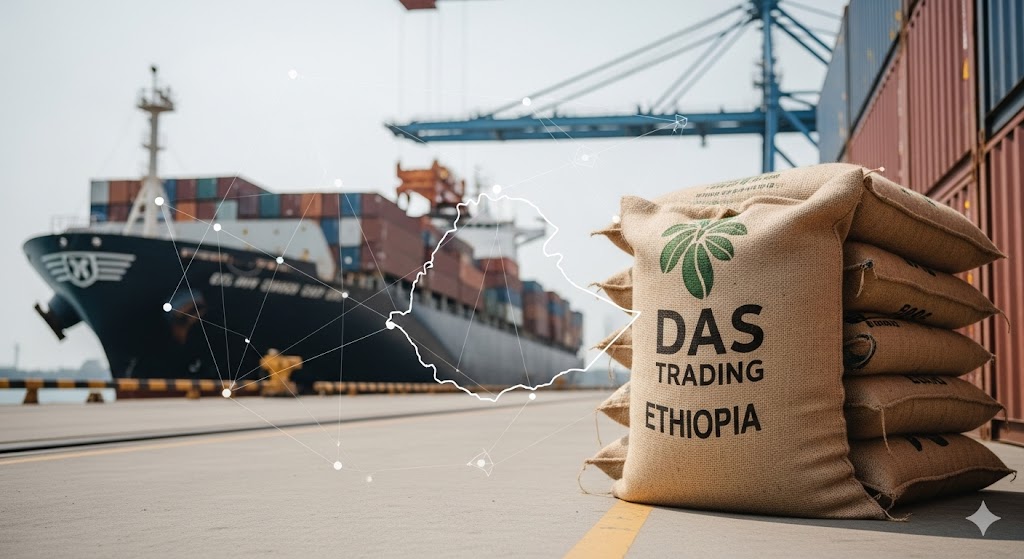

Let’s be honest: sourcing coffee from Ethiopia can be complicated. It is the home of the world’s best coffee, but it also involves navigating the Ethiopian Commodities Exchange (ECX), complex logistics, government regulations, and varying grading systems. For an international buyer, going it alone can feel like navigating a maze. The “Trust” Factor In the
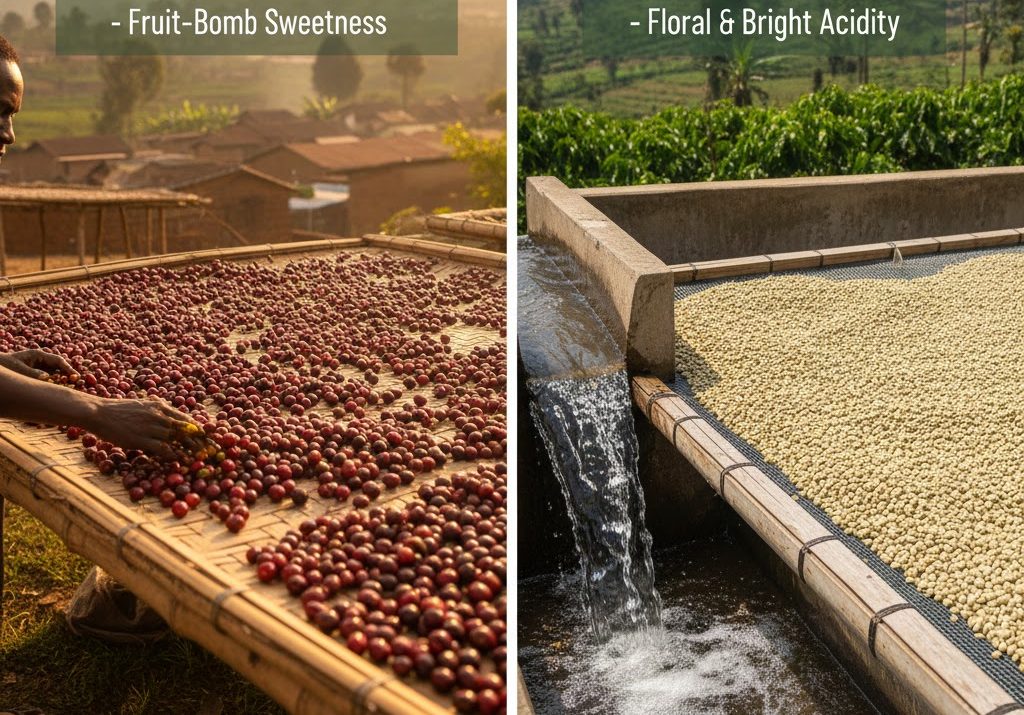
You’ll often see “Natural” or “Washed” printed on a bag of Ethiopian coffee. But what does that actually mean for the flavor in your mug? In Ethiopia, processing isn’t just a mechanical step; it’s an art form that defines the final character of the bean. The Natural (Sun-Dried) Process This is the traditional way. The
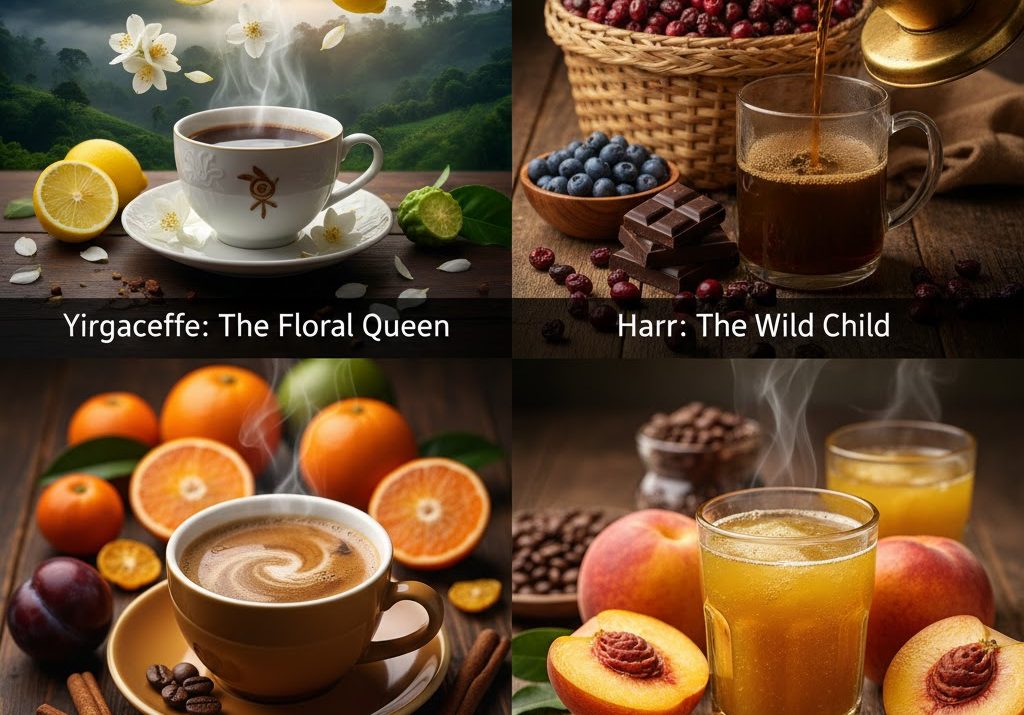
Walking into a cupping room full of Ethiopian coffees can be overwhelming. Is it floral? Is it fruity? Is it winey? The answer is usually “yes” to all of the above, depending on where you look. Ethiopia’s geography is diverse, and the “terroir” (the soil, altitude, and climate) changes drastically from region to region. Here
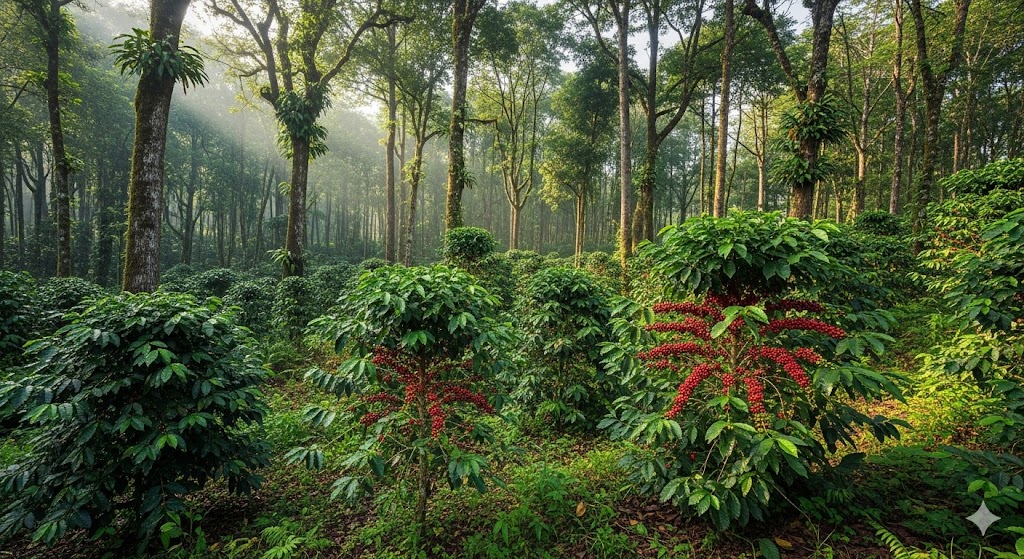
If you ask any roaster or barista where coffee began, they’ll likely tell you the legend of Kaldi. You know the one: the Ethiopian goat herder who noticed his goats dancing with energy after eating red cherries from a strange bush. While it’s a great story, the reality of Ethiopian coffee is even more fascinating.